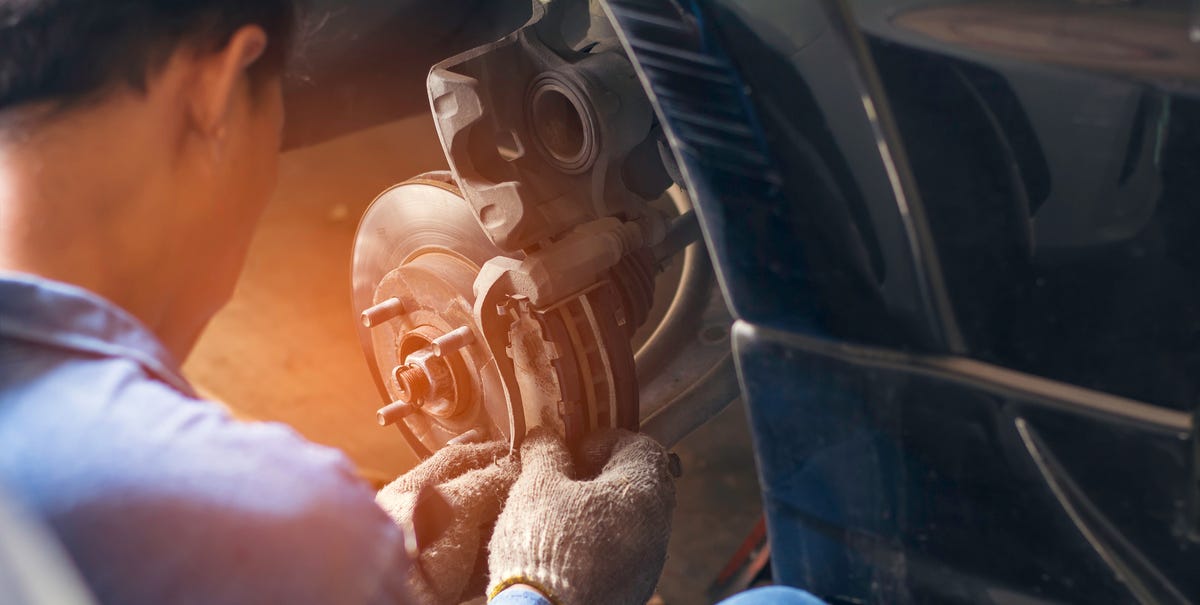
Silence the Squeal: Your Comprehensive Guide to Fixing Squeaky Brakes
Few sounds are as irritating and potentially embarrassing as the persistent squeal of your car's brakes. While a symphony of squeaks might make you dread every stoplight, the good news is that squeaky brakes are an incredibly common issue, and often,
identifying and resolving the problem is well within the reach of a DIY enthusiast. It's important to remember that not every squeak signifies an immediate emergency – sometimes it's just a fleeting annoyance. However, understanding the underlying causes and knowing **how to fix squeaky brakes** can save you a trip to the mechanic and keep your vehicle performing safely and quietly. Let's delve into the world of automotive acoustics and empower you with the knowledge to quiet your ride.
Why Are My Brakes Squealing? Common Causes Revealed
Before you can effectively tackle the noise, it's crucial to understand its origin. Brake squeal is fundamentally a vibration issue, similar to how a violin string produces sound when vibrated by a bow. In your car, the brake disc, pads, and caliper can resonate at specific frequencies, resulting in that distinctive high-pitched noise. Here are the most common culprits:
- Environmental Factors & Morning Squeaks: One of the most benign causes is environmental. Overnight rain, high humidity, or even heavy dew can cause a thin layer of surface rust to form on your brake rotors. When you first apply the brakes in the morning, this rust is quickly scrubbed off by the pads, creating a temporary squeal. This usually disappears after a few stops and is no cause for concern.
- Worn Brake Pads: This is arguably the most critical reason for squeaky brakes. Most modern brake pads are designed with a small metal wear indicator tab. As the friction material wears down to a minimum safe thickness, this tab comes into contact with the rotor, creating a loud, distinct squeal. This is a deliberate warning system, signaling that it's time for a brake pad replacement. Ignoring this warning can lead to metal-on-metal contact, damaging your rotors and compromising stopping power.
- Brake Pad Material Composition: Not all brake pads are created equal. Some high-performance or metallic brake pads, while offering excellent stopping power, can be inherently noisier due to their material composition. They generate more friction and heat, which can lead to increased vibration and noise, especially when cold. If you recently replaced your pads and the squeak began shortly after, the material choice might be the reason.
- Lack of Lubrication (Especially in Drum Brakes): While disc brakes are prevalent, many vehicles still use drum brakes on the rear axle. These systems rely on various contact points and pivot pins that, if not properly lubricated with high-temperature brake grease during assembly, can cause squeaking and grinding noises as they move.
- Loose or Damaged Components: The entire brake assembly – calipers, pads, shims, and mounting hardware – needs to be snugly fitted. If clips, shims, or mounting bolts are loose, damaged, or missing, these components can vibrate against each other when the brakes are applied, generating noise.
- Scored or Warped Rotors/Drums: Over time, rotors (and drum brake surfaces) can develop grooves, uneven wear, or even become warped due to excessive heat. A scored surface can cause the brake pads to chatter or vibrate unevenly, leading to a squeal. Warped rotors will often manifest as a pulsating brake pedal in addition to noise.
- Contamination: Oil, grease, brake fluid, or even road grime can contaminate your brake pads and rotors. When these foreign substances get between the friction material and the rotor, they can significantly alter friction characteristics and cause a high-pitched squeal.
- Improper Bedding-In: New brake pads and rotors require a "bedding-in" process to transfer a thin, even layer of friction material onto the rotor surface. If this procedure isn't followed correctly, or if the brakes are excessively heated too soon, it can lead to uneven pad material transfer, resulting in noise.
How To Fix Squeaky Brakes: DIY Solutions You Can Try
Armed with an understanding of the causes, let's explore practical, DIY steps to silence those annoying squeals. Always ensure your car is safely jacked up and secured on jack stands before working on any brake components.
- Clean Your Brakes Thoroughly: For mild cases, especially those morning squeaks or dust-related noises, a good cleaning can work wonders. Use a dedicated brake cleaner spray to thoroughly clean your rotors, calipers, and pads. This removes dust, dirt, and minor surface rust that can contribute to noise. Ensure you follow product instructions and work in a well-ventilated area.
- Tighten Loose Components and Replace Hardware:
- Carefully inspect your caliper mounting bolts – ensure they are tightened to the manufacturer's specified torque.
- Check brake pad shims and anti-rattle clips. These small metal pieces are designed to dampen vibrations and keep pads snug. If they are missing, corroded, or bent, they need to be replaced. Kits containing new shims and hardware are readily available.
- Ensure the brake pads themselves fit securely in the caliper bracket without excessive play.
- Apply Anti-Squeal Paste or Dampening Compound: This is a popular and often effective solution for vibration-induced squeals. Anti-squeal paste (also known as brake quiet or dampening paste) creates a thin, rubbery cushion between the back of the brake pad and the caliper piston/bracket. This layer absorbs vibrations before they can amplify into an audible squeal.
- Application: Remove the brake pads. Apply a thin, even layer of the paste to the metal backing plate of the brake pad – the side that contacts the caliper piston or bracket. Be careful *not* to get any paste on the friction material itself.
- Drying: Allow the paste ample time to dry and harden according to the product's instructions, usually a few hours. This curing process is crucial for its effectiveness.
- Inspect and Replace Worn Brake Pads: If the wear indicator is screaming, there's no way around it – you need new pads. Check your brake pad thickness visually. If they're less than 3mm or triggering the wear indicator, replacement is essential. In some cases, if only minor, uneven wear has occurred (a "lip" forming on one edge), you might be able to carefully sand this lip off to extend pad life slightly, but this is a temporary fix and should only be done if the pad still has plenty of overall friction material remaining.
- Consider Different Brake Pad Materials: If your current pads are inherently noisy due to their composition, you might consider switching.
- Organic Pads: Often quieter, produce less dust, but might wear faster and offer less aggressive stopping power.
- Semi-Metallic Pads: A good balance of performance and durability, but can be noisier and produce more brake dust.
- Ceramic Pads: Generally the quietest, produce very little dust, and offer excellent stopping power, but can be more expensive.
When choosing, aim for pads that closely match or exceed your vehicle's original equipment specifications, or consider upgrading to a reputable ceramic option known for quiet operation. Some pads also incorporate graphite or brass as a lubricant for quieter performance.
- Address Scored or Warped Rotors/Drums:
- Rotors: If your rotors have light scoring or minor runout, they might be able to be "machined" or "resurfaced" by a professional to create a smooth, flat surface. Deep grooves, significant warping, or being below the minimum thickness specification will necessitate replacement.
- Drums: Similar to rotors, drums can also be machined or replaced if heavily scored or out of round. Ensure proper lubrication of contact points in drum brake assemblies with high-temperature brake grease when reassembling.
When to Call a Professional: Safety First
While many squeaks can be resolved with DIY efforts, there are times when professional intervention is not just recommended, but essential for your safety.
- Persistent Noise: If the squeak persists despite trying multiple DIY solutions, it's time for an expert diagnosis.
- Grinding or Growling Sounds: A grinding noise indicates metal-on-metal contact, signifying severely worn pads and likely rotor damage. This requires immediate attention.
- Reduced Stopping Power or Pedal Issues: If your car takes longer to stop, the brake pedal feels spongy, or it pulsates severely (beyond what light warping might cause), your brake system has a serious problem that needs professional assessment.
- Visible Damage: Any signs of fluid leaks, severely cracked rotors, or damaged caliper components warrant professional inspection.
- Uncertainty: If you're unsure about any step of the DIY process or uncomfortable working with critical safety components, always err on the side of caution and consult a certified mechanic. Your brakes are your car's most important safety system.
Conclusion
Squeaky brakes are a common automotive complaint, but understanding their causes and knowing **how to fix squeaky brakes** can transform a frustrating problem into a manageable task. From environmental factors to worn components and material choices, a range of issues can lead to that unwelcome noise. By systematically cleaning, lubricating, tightening, and, when necessary, replacing parts, you can often restore quiet and confident braking. However, always prioritize safety; if DIY solutions don't work, or if you encounter more serious symptoms, don't hesitate to seek professional help. A well-maintained brake system ensures not only a peaceful drive but, more importantly, a safe one for you and everyone on the road.