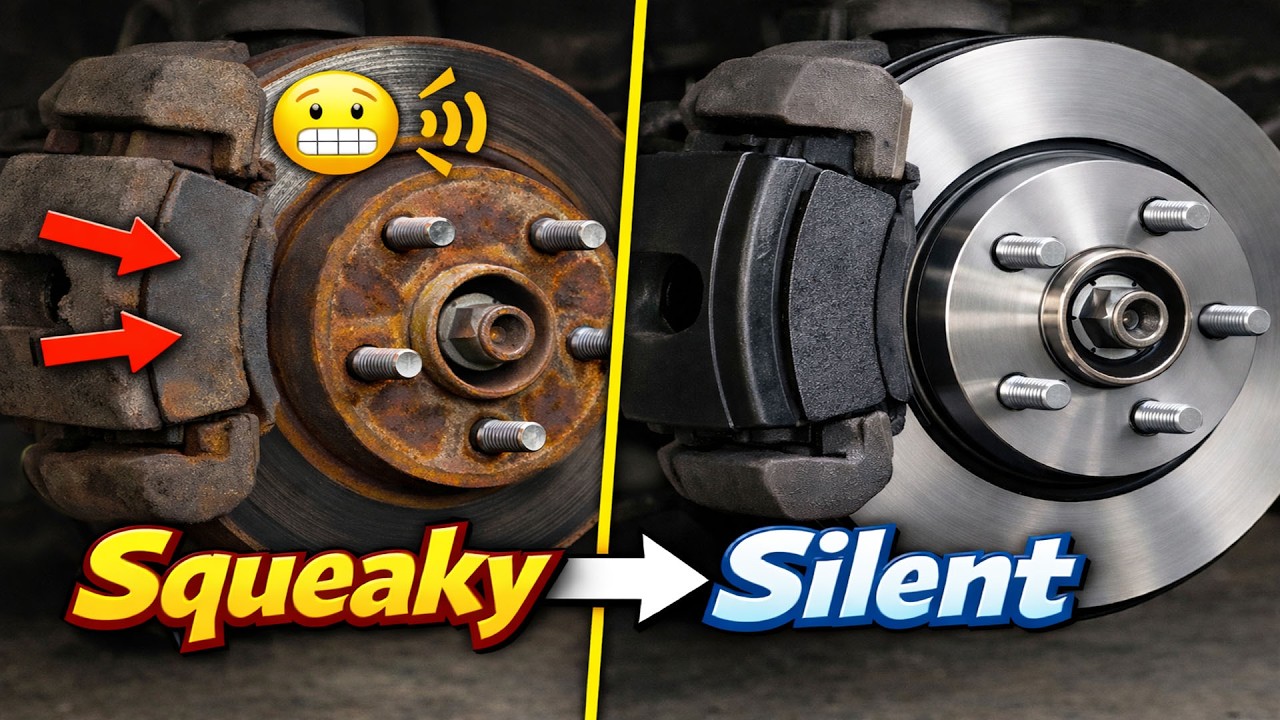
Why Your Brakes Squeak & How to Silence Them for Good
Few sounds are as universally annoying and potentially alarming to a car owner as the persistent squeal of brakes. You hit the pedal, and instead of a quiet, confident stop, you're greeted with a high-pitched shriek that turns heads and shames drivers. While often a harmless nuisance, squeaky brakes can also be a signal that something needs attention. The good news? Understanding how to fix squeaky brakes is often within reach for the average DIY enthusiast, saving you a trip to the mechanic.
This comprehensive guide will delve into the root causes of brake squeal, offering practical insights and actionable steps to quiet your ride. Whether it’s a morning dew dampening your pads or a more significant wear issue, we'll equip you with the knowledge to diagnose and remedy the problem.
Unmasking the Culprits: Why Your Brakes Are Screaming
Brake noise, particularly a squeal, is primarily a result of vibration. Imagine a violin string: when stroked, it vibrates at a specific frequency, creating a sound. Your brake system—comprising the pads, rotor, and caliper—can behave similarly. Under certain conditions, these components can vibrate against each other, producing the dreaded squeal. The intensity of your braking or vehicle speed might change the volume, but the fundamental pitch is determined by the stiffness and mass of the vibrating parts.
Let's explore the most common reasons behind these unwanted acoustics:
- Environmental Factors & Morning Squeak: Often the simplest explanation, condensation from humidity, overnight rain, or even morning dew can settle on your brake rotors. When you first apply the brakes, this moisture, combined with a thin layer of rust that might form overnight, creates a temporary squeal. This usually dissipates after a few stops as the moisture burns off.
- Worn Brake Pads: Most modern brake pads are designed with a small metal tab, known as a wear indicator. When the pad material wears down to a critical level, this tab contacts the rotor, producing a loud, distinct squeal or grinding sound. This is a deliberate design to alert you that it's time for a replacement. Uneven wear can also occur, where one part of the pad wears faster than another, creating a "lip" that rubs against the rotor or caliper assembly.
- Brake Pad Composition: The material your brake pads are made from plays a significant role in noise production. Pads with a higher metallic content (common in semi-metallic pads) are excellent for performance and heat dissipation but can be more prone to squeaking due to their inherent hardness and the way they interact with the rotor. Organic and ceramic pads tend to be quieter but might offer different braking characteristics.
- Lack of Lubrication: Specific parts of the brake assembly, particularly on drum brakes or caliper slide pins, require proper lubrication with high-temperature brake grease. If these areas dry out or become contaminated, components can seize or rub where they shouldn't, leading to noise. This is a common issue for rear drum brakes.
- Scored or Warped Rotors/Drums: If your brake rotors or drums have developed grooves, uneven surfaces (scoring), or have become warped due to excessive heat, the brake pads won't make even contact. This irregular contact can cause vibration and squealing. You might even notice a pulsation in the pedal if rotors are significantly warped.
- Loose or Missing Hardware: Caliper bolts, anti-rattle clips, and shims are all critical for keeping brake components securely in place and preventing vibration. If any of these parts are loose, damaged, or missing, the resulting movement can easily lead to squealing.
- Improper Break-in (Bedding-in): New brake pads and rotors require a proper break-in procedure, often called "bedding-in." This process transfers a thin, even layer of pad material onto the rotor surface, optimizing braking performance and reducing noise. Skipping this step can lead to uneven material transfer, glazing, and subsequent squealing.
Effective Strategies: How To Fix Squeaky Brakes for Good
Addressing squeaky brakes often involves a systematic approach. Before you begin any work, ensure your vehicle is safely lifted and supported on jack stands, and that you have the right tools. Safety first!
1. Inspect, Clean, and Lubricate
- Initial Inspection: Begin by removing the wheel and visually inspecting the brake components. Look for obvious signs of wear on the pads, scoring on the rotor, or any loose hardware. Check for uneven wear on the pads.
- Clean Components: Use a dedicated brake cleaner spray to remove dust, grime, and any foreign debris from the calipers, pads, and rotors. Never use regular solvent or WD-40, as it can contaminate friction surfaces.
- Lubricate Contact Points: Apply a high-temperature silicone-based brake lubricant or anti-squeal grease to specific areas. Crucially, this grease goes on the non-friction surfaces: the back of the brake pads (where they contact the caliper piston or bracket), the caliper slide pins, and the mounting hardware. Never apply lubricant to the pad's friction material or the rotor's surface.
2. Address Loose Hardware and Vibration
Vibration is the primary cause of squealing. If parts of the brake assembly are loose, they're free to vibrate and produce noise.
- Tighten Bolts: Check all caliper mounting bolts and bracket bolts. Ensure they are torqued to the manufacturer's specifications. If they feel loose when you try to wiggle the caliper by hand, tightening them can often resolve the issue.
- Replace Damaged Hardware: Anti-rattle clips and shims are designed to dampen vibrations. If these are corroded, bent, or missing, they won't do their job effectively. Replace them with new ones, often available as a brake hardware kit.
- Apply Dampening Paste (Anti-Squeal Compound): Specialized anti-squeal pastes or dampening compounds create a thin, vibration-absorbing layer between the brake pad backing plate and the caliper piston or bracket. Apply a thin, even layer to the back of the brake pads (the side that doesn't contact the rotor), allow it to dry and harden for several hours (as per product instructions) before reassembling.
3. Evaluate and Replace Worn Components
If inspection reveals significant wear, replacement is the most effective solution.
- Change Worn Brake Pads: If your pads are thin (generally less than 3mm of friction material remaining) or the wear indicator is squealing, it's time for new pads. When replacing, ensure you clean and lubricate all caliper components as described above. If you notice a "lip" formation on the outer edge of a still-thick pad due to uneven wear, carefully sanding this lip off can sometimes temporarily silence the squeak and extend the pad's life, but it's often a sign that full replacement is imminent or something else is causing the uneven wear.
- Address Scored or Warped Rotors: Rotors with deep grooves, significant rust, or noticeable runout (wobbling) will continue to cause noise and compromise braking performance. Light scoring might be fixable by having the rotors "machined" or "resurfaced" by a professional, provided they remain within the minimum thickness specifications. Heavily scored, warped, or thin rotors should always be replaced. When replacing pads, it's generally recommended to replace or resurface rotors simultaneously for optimal performance and lifespan.
4. Consider Brake Pad Material
If you've consistently had squeaking issues with a particular type of brake pad, changing materials might be beneficial. However, be mindful of performance trade-offs.
- Organic Pads: Tend to be the quietest and produce less dust, but may not offer the best performance under heavy braking or high temperatures.
- Semi-Metallic Pads: Excellent all-around performance, good heat dissipation, but can be noisier and produce more dust. They are a common choice for many vehicles.
- Ceramic Pads: Offer a good balance of low noise, low dust, and good performance. They are often a premium option but can significantly reduce brake squeal.
When selecting new pads, try to match or slightly upgrade the original equipment (OEM) specification for your vehicle. Some pads also incorporate lubricating constituents like graphite or brass, which can help mitigate noise.
For further reading on maintaining your brake system, check out our article on Stop Squeaky Brakes: Easy DIY Solutions & Common Causes.
When to Consult a Professional
While many squeaks are DIY fixable, it's crucial to know when to seek professional help. If you experience any of the following, it's best to have your brakes inspected by a certified mechanic:
- A persistent grinding noise, especially if accompanied by a vibrating pedal or steering wheel. This could indicate metal-on-metal contact, which is very dangerous.
- A soft, spongy, or unusually firm brake pedal.
- Your car pulls to one side when braking.
- You've tried the DIY solutions, and the squeak persists or worsens.
- You're uncomfortable working on your vehicle's braking system.
Conclusion
Squeaky brakes are a common annoyance that every car owner will likely encounter. By understanding the underlying causes—from simple environmental factors to worn-out components—you can confidently approach how to fix squeaky brakes in your own garage. A thorough inspection, diligent cleaning, proper lubrication, and timely replacement of worn parts are your best defense against unwanted brake noise. Remember, while a squeak doesn't always signal danger, addressing it promptly ensures your vehicle's braking system remains in optimal condition, keeping you and others safe on the road.